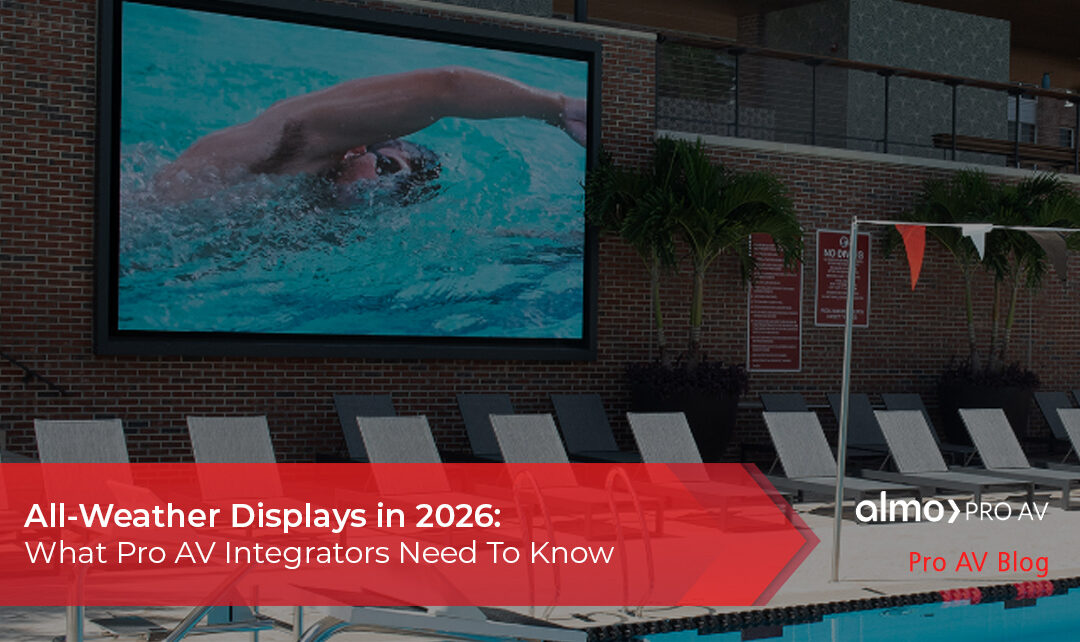
Outdoor AV used to be all about brightness. But as expectations rise and outdoor environments become more varied, the real differentiators are the technologies that help displays survive, and perform, in conditions indoor screens were never built for. Whether you’re designing a drive‑thru, a campus walkway, a rooftop bar, or an outdoor plaza, understanding how these features solve common outdoor challenges is key to choosing the right hardware.
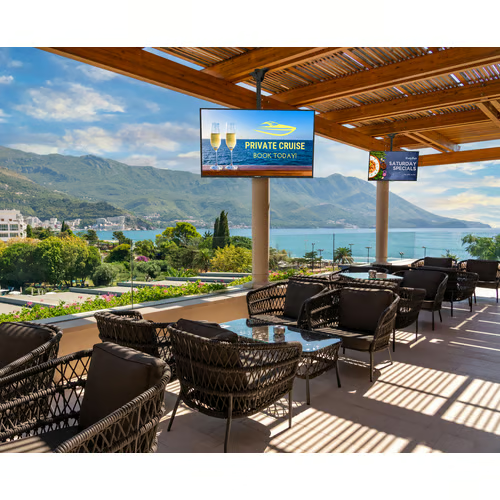 Here’s how those real‑world challenges break down, and the features that matter most.
1. Sunlight, Glare & Changing Ambient Light
Why It’s a Problem
Outdoor environments introduce extreme contrast swings. Direct sun can wash out images entirely, shadows come and go, and reflections from glass, pavement, or water surfaces can make screens unreadable.
What to Look For
- High‑Brightness Panels (2,500–3,500+ nits)
This level of brightness helps content stay visible even during midday sun. - Anti‑Reflection or Anti‑Glare Glass
Advanced glass coatings, or optically bonded glass, help reduce reflectivity, improving contrast and preserving detail. - Polarization Compatibility
Circular polarization prevents “blacking out” when viewers are wearing polarized sunglasses – common in retail, transportation, and hospitality environments. - Adaptive Brightness Controls
Displays that automatically adjust to ambient light reduce eye strain, lower power consumption, and maintain consistent readability.
 2. Weather, Moisture & Environmental Exposure
Why It’s a Problem
Outdoor displays aren’t just dealing with rain. Wind‑blown dust, salty air, humidity, snow, insects, and condensation can all damage internal components or cause premature failure.
What to Look For
- IP56–IP66 Weather Ratings
Higher ingress protection levels help shield against water jets, dust intrusion, and debris. - Sealed, Ventless Designs
Completely sealed enclosures prevent moisture and airborne particles from working their way inside. - Impact‑Resistant Glass (IK10 Suggested)
Tempered or laminated cover glass protects against vandalism, hail, and accidental impact. - Protected Cable Entry Points
Ensures moisture and debris can’t get inside through the weakest link in the system.
3. Extreme Temperatures & Thermal Management
Why It’s a Problem
Outdoor displays must manage heat from direct sunlight and internal components, as well as cold snaps that can crack panels or interrupt operation. Without proper engineering, thermal stress can lead to black spots, shutdowns, or long‑term damage.
What to Look For
- Wide Operating Temperature Range (e.g., –22°F to 122°F)
Crucial for four‑season climates. - Internal Thermal Management Systems
Hidden fans, sealed heat‑exchange systems, or integrated cooling pathways help maintain stable internal temperatures. - High TNI Panels for Full‑Sun Performance
These panels are designed to resist isotropic blackout when exposed to intense heat and sunlight.
4. Structural Durability in Public or Semi‑Public Spaces
Why It’s a Problem
Outdoor displays must handle more than weather. Public spaces introduce risk from accidental impact, vibration, airborne debris, and general wear.
What to Look For
- IK10 Impact Resistance
This is the gold standard for outdoor glass durability. - Corrosion‑Resistant Materials
Aluminum housings and UV‑rated coatings help prevent rust and discoloration. - 24/7 Duty‑Cycle Ratings
Necessary for signage and environments where uptime matters.
 5. Large‑Format Viewing Without Losing Detail
Why It’s a Problem
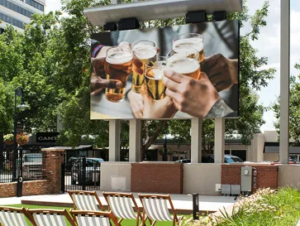
Outdoor plazas, stadium entrances, and retail facades often require displays that are large enough to be seen from a distance, but crisp enough to read up close.
What to Look For
- High Brightness + Fine Pixel Pitch
MicroLED and fine‑pitch outdoor LED solutions offer the combination of outdoor durability and close‑view clarity. - True 16:9 Configurations
Makes it easier to scale to Full HD or 4K formats without odd aspect ratios. - Front‑Serviceable Cabinets
Allows maintenance without needing rear access – key for wall‑mounted outdoor video walls.
6. Reducing Maintenance & Ensuring Long‑Term Reliability
Why It’s a Problem
Outdoor service calls are time‑consuming, expensive, and often require special access. Displays that fail prematurely create downstream headaches for integrators and end‑users alike.
What to Look For
- Fully Sealed Electronics
Reduces the risk of internal contamination and extends overall lifespan. - 24/7 Operational Design
Displays built for continuous use prevent performance drift and overheating. - Remote Monitoring Capabilities
Environmental sensors (temp, humidity, airflow, power draw) help integrators diagnose issues before they become failures.
Bringing It All Together
Outdoor AV isn’t just “indoor AV but brighter.” It’s a completely different design environment with challenges that need purpose‑built solutions – whether you’re dealing with intense sunlight, weather exposure, large viewing distances, or the demands of 24/7 uptime.
By understanding the specific features that directly address these challenges, you’ll be better equipped to guide clients, prevent premature failures, and create outdoor experiences that look as good on day 1,000 as they did on day 1.
åNeed Help Specifying the Right Outdoor Display?
Our Almo Pro AV team is here to support project planning, product selection, and technical guidance. Connect with us to get expert recommendations tailored to your next outdoor installation.