Beyond the Boardroom: dvLED Projects That Define Corporate Identity
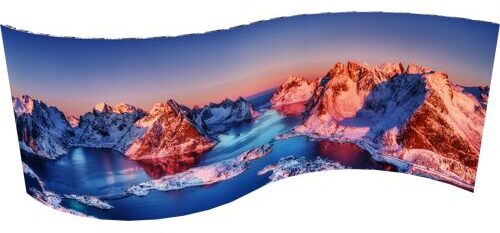
Thanks to direct view LED technology (dvLED), corporate environments are evolving from functional spaces into immersive brand experiences. From lobbies to executive boardrooms, custom dvLED installations are helping companies communicate their identity with clarity, creativity, and impact.
Of course, bringing these projects to life requires more than just great design – it takes a solid understanding of the technical building blocks behind dvLED. That’s where Almo’s dvLED Category Manager, Tom Keefe, comes in. In his Breaking Down dvLED blog series, Tom shares practical insights that help AV professionals plan smarter, install with confidence, and avoid common pitfalls.
Here’s a quick overview of the topics he covers – each one offering valuable guidance for your next corporate dvLED project.
Get Help When You Need It
Even experienced AV teams benefit from commissioning assistance. Having expert support during installation helps avoid costly mistakes and ensures the system is optimized for long-term performance.
Read more → The First Step in Installing a dvLED Video Wall Is Admitting You Need Help
Start with the Space
Every great dvLED installation begins with proper site prep. From structural integrity to power and ventilation, laying the groundwork ensures the system performs as intended and integrates seamlessly into the environment.
Read more → First Things First: The Importance of Proper Site Prep
Understand the Anatomy
Direct view LED video walls are built from cabinets, modules, and panels – each playing a critical role in the system’s performance and appearance. Knowing how these components work together helps you design smarter and install more efficiently.
Read more → Cabinets & Modules & Panels, Oh My!!!
Choose the Right Pixel Pitch
In corporate settings, clarity and detail matter. Whether you’re displaying branded visuals or data dashboards, selecting the right pixel pitch ensures your content looks sharp and professional from every angle.
Read more → Perfect Pitch: The Importance of Selecting the Right Pixel Pitch the First Time
Plan for the Unexpected
Corporate environments demand reliability. Having spare parts on hand, especially for custom configurations, can make all the difference when maintenance is needed or downtime must be avoided.
Read more → Got Spares? The Importance of Having Spares When Purchasing / Commissioning a dvLED Video Wall
Bringing It All Together
Direct view LED technology offers endless possibilities for expressing corporate identity – from bold lobby displays to high-performance executive spaces. By understanding the essentials and planning with purpose, AV professionals can deliver installations that go beyond the boardroom and leave a lasting impression.
→ Explore Almo’s dvLED solutions or contact a BDM to start your next project.
Want more business development advice? Check out this blog by Tom, “The AV MBA: You Can’t Always Get What You Want“.

About the Author
Tom Keefe | CTS, DMC-D-4K, DSCE
Category Manager – dvLED
Supported Category: Direct View LED
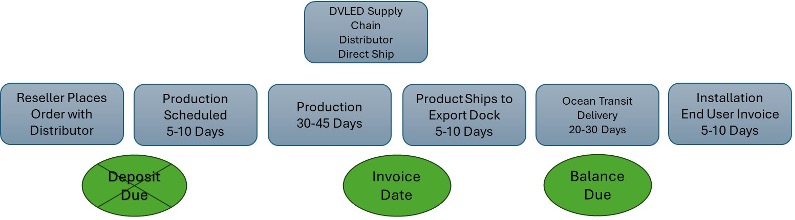
 First, the average sales price (ASP) for DVLED is comparatively higher than technology such as large format displays (LFD), projectors, and audio. This fact alone immediately has a greater impact on cash flow. Obviously, $10,000 is an easier balance to float for a couple of months than $100,000. So, it is crucial that the balance doesn’t sit on the books for too long and risks impeding an integrator’s ability to pay other scheduled bills.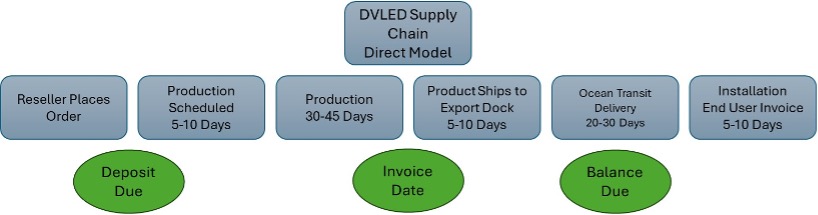
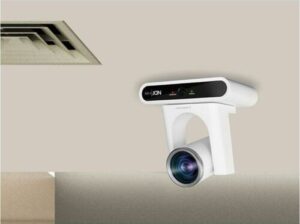 AI-powered surveillance cameras, such as PTZ (Pan-Tilt-Zoom) cameras, are revolutionizing the security landscape. These cameras use AI algorithms for advanced features like facial recognition, motion detection, and automated tracking. For instance, the Lumens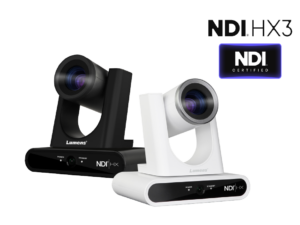
 This not only improves the efficiency of security operations but also reduces the workload on human operators. You can leverage these advanced displays to offer more comprehensive security solutions to your clients.
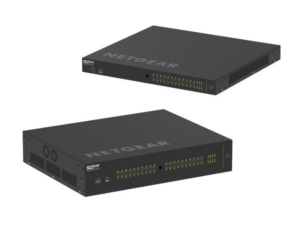 Networked AV solutions play a crucial role in managing multiple video feeds in a security system. The NETGEAR AV Line of M4250 managed network switches, including the
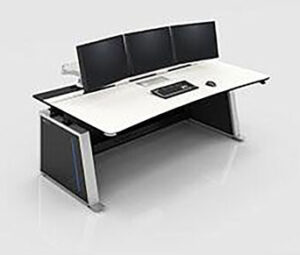 Additionally, incorporating AV furniture like the
  At its core, LG’s Transparent LED is a cutting-edge display technology that uses micro thin nano wires laminated between transparent silicon-based film, allowing light to pass through. This enables the display to offer high-quality visuals without completely obstructing the view behind it. The current



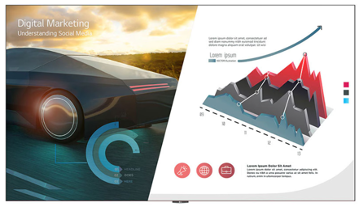
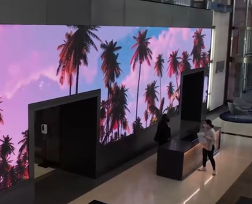 All-in-one DVLED displays are a great option as they do not require external LED controllers/sender units to operate since all the required components are built into the unit, so it functions like a standard monitor, and there are typically several predefined sizes to work in various environments. The other option for DVLED is a custom video wall solution. Custom DVLED walls are a good option when you have an application requiring a specific size display, atypical aspect ratio, or need specific resolutions or brightness levels. Custom DVLED allows the user the broadest choice in selecting products to meet the needs of their individual application, but generally requires a more complex installation using external LED controllers/sender units.
 In this example, after talking with the client, it was determined that the better way to achieve their goals was to use LCD technology due to one primary factor, resolution. The client stated that they wanted to have multiple unique images on the display simultaneously, up to 9 different sporting events or advertisements on the wall at any given time. While it is possible to show the required number of images on the DVLED display using external video processing, the resolution of each image would end up being very low using the DVLED display discussed.