Ode to the Twisted Copper Pair

Yesterday, my landline died.  No dial tone.  I tested the line at the interface box and confirmed that it wasn’t on my side of the demarc.  I called customer support and while they could send someone out to fix the copper line, the alternative is a cell service connection for less than one-third the current price.  Being out in-the-sticks as I am, cell service is often only a bar or two.  I don’t like my options.  Arrgh.

copper wire-based telephone systemIf I do away with the copper line, what would I be giving up?

Reliability.  And it goes far beyond just the cellular signal strength issue.  The POTS (plain old telephone system), built by the Bell System has probably been the most reliable public utility ever designed and built.  I have been with the twisted copper pair from the days of party lines.  From the days when you couldn’t own a phone, but instead you were required to lease phones made by Western Electric.  Those phones were legendary devices known for their indestructibility.  Black was standard. Unpublished numbers, colors, and the long, coiled cords were additional monthly charges.  I have paid for making long-distance phone calls and I still have three rotary phones hooked up and working.

If the power goes out, no problem.  The landline still works.  Natural disasters or national emergencies?  The old landline still works.  cell phone service issuesSome emergency preparedness documents reference the “copper wire-based landline phone” as the preferred communication option in a disaster.

I’ve used overseas operators and 411.  I’ve seen the utility bring us touch-tone, toll-free 800 numbers, call waiting, Caller ID, modular plugs and Trimline phones.  I could dial 844 and any four numbers for the current time and 936 and any four numbers for the local weather.  I remember the unparalleled rudeness of C&P Telephone’s customer service before the breakup of Ma Bell in the ‘70s.  (After the breakup, I still remember the first time one of their reps said, “Thank you”.  I could not believe what I had just heard.)

The twisted copper pair and balanced interface have carried me through all the years of my life.  Now that I’m forced to give up my landline, I’m giving up the most reliable thing on the planet due to economics.  The reduced bill comes with reduced reliability and with an added “bonus” of signal latency.

The Idea Factory book coverAs an audio person, it carries more significance.  One of my favorite books has been The Idea Factory – Bell Labs and the Great Age of American Innovation.  Through it weaves the names of Harvey Fletcher, Wilden Munson, Harry Nyquist, Walter Shewhart, Claude Shannon and more.  Audio, as we know and use it today has its roots deep in the development of the telephone and the work performed by the many engineers at Bell Labs.  Reading it is like of tour of our audio ancestral roots.

We owe the balanced interface, transistor, Volume Indicator, Equal Loudness Contours, the definition of the decibel as well as many other foundational audio principles to the telephone.

Long before the Internet, cell phones, text and Skype, we had thoughtful conversations.  This was before communication was cheapened by wireless connections, abbreviations, acronyms and emojis.  Things that become more convenient often lose their value.  The Bell System somehow kept us more deeply connected with each other than any of these modern devices will ever be capable of.

It is indeed a most sad day.

Tom Kehr
About the Author

Tom Kehr

CTS-D, CTS-I, Network+, LEED Green Associate, ISF-C, ATD Master Trainer

In-House System Designer and Trainer

Supported Applications: System Design

AV System Components for Corporate Spaces: Why Standardization Starts With the Right Building Blocks

If you work in corporate AV, you’ve likely heard the same request from every client: “Make the rooms consistent, reliable, and easy to support.” In 2026, that ask is louder than ever. Industry outlooks point to a clear theme across enterprises; standardize what you deploy so every room behaves the same way, from Chicago to London. That work doesn’t start with the biggest screens or the flashiest DSPs. It starts with the essential system components: quality cables, reliable mounts, right sized switches, projection screens, adapters, and the other pieces that connect it all.

Why periphoral gear matters more this year

After years of rapid hybrid rollouts, many organizations are stepping back to level set their environments. They’re replacing “good enough for now” gear with standardized kits that deliver predictable performance. This trend shows up across multiple industry sources that highlight standardization, interoperability, and supportability as 2026 priorities.

Two forces are driving the shift:

  1. Support teams need fewer variables. When your mounts, cables, extenders, and screens are consistent, field issues drop and troubleshooting gets faster. Enterprise leaders are explicitly prioritizing room to room consistency to reduce day to day friction for users and IT alike.
  2. AV and IT are converging. As AV is becoming more integrated into IT network switches, basics like proper cabling, switching, and secure device selection directly affect performance and cybersecurity posture. Accessories chosen with IT in mind help ensure clean signal paths and fewer help desk tickets.

Trends shaping how you choose periphoral gear

standard meeting roomStandardization is the new innovation. Integrators are being asked to build repeatable room types that scale across floors and regions. That depends on predictable, vetted building blocks – not one off parts.



Interoperability and ease of use. Customers want rooms that “just work” no matter the meeting platform. That requires attention to the small things: certified cables that carry the bandwidth you promise, mounts aligned to your standard displays, and switches sized for current and near term needs. Interoperability remains a defining theme in 2026 as users expect simple, cross platform collaboration.

Data, monitoring, and lifecycle planning. More enterprises are using room analytics and remote management to guide refresh cycles. That only pays off if the physical foundation is stable. Clean wiring, consistent accessories, and known good parts reduce false alarms and make remote diagnostics meaningful.

Growth in networked AV. AV over IP continues to expand as businesses upgrade to higher bandwidth and connected systems. That puts extra pressure on proper switches, cabling, and labeling – all squarely in the “components” category. Industry roundups note the mainstreaming of networked AV and the need for stronger reliability and security as systems scale.

For example: A company rolled out AV‑over‑IP using switches that worked fine at first, but as more rooms came online and resolutions increased, video latency and packet loss started appearing during peak hours. The issue wasn’t the endpoints. It was the need to upgrade the switches and standardize bandwidth planning across room types.

What “good” looks like in a corporate space

Here’s a practical checklist we see winning in boardrooms, huddle spaces, meeting rooms, lobbies, and workstations:

  • Cabling that matches the spec, not just the price. Correctly rated HDMI/USB C, category, and fiber runs sized for high resolution content and room distances. Poor cabling is a top cause of signal issues and intermittent failures, which is why standardizing on vetted SKUs pays off fast.
  • Mounts that fit your standard displays and use cases. Keep a short list that covers fixed, tilt, articulating, and ceiling needs. Consistency here speeds installation and simplifies service calls.
  • Switches and extenders chosen with IT. Size switches for both current traffic and near-term growth, and ensure devices are aligned with your AVoIP roadmap and security expectations. The 2026 focus on connected, secure systems makes these choices foundational.
  • Projection screens where they still make sense. Not every space needs LED or a tiled LCD wall. In training rooms and multi purpose spaces, a well matched projector and screen remain cost effective as long as the essentials around them are planned correctly.
  • Labeling, documentation, and spare kits. Treat labels, cable management, and spares as part of the essential bill of materials. Standardized documentation makes remote support and managed services far more effective.

Why source all AV system components through Almo

av system integrator teamYour teams want to streamline purchasing and reduce on site surprises. Consolidating the components with Almo helps you do both:
  • One BOM, fewer delays. We help you assemble complete kits for each room type, so procurement and staging are straightforward and predictable. That aligns with the enterprise push to standardize spaces in 2026.
  • Pre vetted compatibility. Our specialists live in the details: cable lengths, mounting patterns, bandwidth constraints, power needs. We validate the parts list against your design and room templates.
  • Breadth across trusted brands. You get the flexibility to match brand standards and budgets without reinventing your essentials list for every project. Industry outlooks consistently point to scalability and security as must haves this year; our line card and guidance support both.
  • Support that mirrors your standardization goals. From design assistance to post install troubleshooting, we help you keep rooms consistent and easy to manage as your portfolio grows. The more your kits repeat, the more value you get from remote monitoring and analytics.

The takeaway

In corporate AV, reliability starts with the pieces that rarely make headlines. Get the AV system components right and you’ll spend less time firefighting, more time delivering a consistent user experience that scales across locations. The 2026 trendlines are clear; standardize, simplify, and build for the long term with components you trust.

Ready to simplify your BOM and standardize your corporate spaces?
Connect with the Almo Pro AV team for a quick consultation. We’ll review your room types, recommend the right periphorals, and help you source everything in one place so your next rollout is smoother from day one.

October: Where Sports and AV Play as a Team

October isn’t just pumpkin season, Halloween candy and pumpkin patches, it’s the heart of sports season. My husband grew up in Brooklyn but somehow became a Cowboys fan (still investigating). I grew up with the Giants in my backyard, and after 14 years in South Florida, I’ve learned to cheer for the Dolphins too, mostly so my neighbors don’t egg my driveway or I don’t get dirty looks at Publix. Add my half-Brazilian, half-Portuguese roots and suddenly the World Cup feels like a family reunion. The rivalries are real, but here’s one thing we all agree on: sports without the right AV is just overpriced beer or trick-or-treat without candy. With the right AV, it’s unforgettable, and that’s where Almo Pro AV comes in.

Stadiums in October aren’t just about football; they’re about atmosphere. Absen PL2.5 Pro, Samsung IAC, LG’s LAPA136-GF.AUSQ, Planar TVF, and MAXHUB LM138A07 LED walls make even the nosebleeds feel like front row. Epson EB-PU2220B projectors put replays on the big board brighter than the Florida sun. Christie Griffyn 4K32-RGB lights up end zones like Broadway, and Panasonic PT-MZ880 keeps multipurpose areas covered. Peerless-AV and Chief mounts hold it all steady, while Sennheiser EW-DX mics, JBL VTX arrays, and Crown I-Tech amps make every whistle and roar shake the concrete. And if you don’t have control? Forget it. AMX and Atlona keep the show running smooth so no one fumbles the AV on 4th down.

PTZOptics belongs here too. Their 30X-NDI cameras with Hive are being used for live sports broadcasts, streaming games, press conferences, and even fan cams that rack up more views than the actual highlight reel. It’s broadcast quality without the truck, which means even smaller venues can deliver big-league streaming.


Gyms are catching on as well. I visited one in Bogotá that looked more like a TV studio than a gym. Netgear M4250 switches kept the feeds flowing, SoundTube pendants powered by LEA Connect 354 amps handled the sound, and Kramer processors kept the whole system easy to manage. Members were half-working out, half-starring in their own highlight reel. One guy told me he felt more scouted than he ever did in high school ball, and honestly, he wasn’t wrong.


Sports bars in Miami? That’s where Sundays are basically religion. A neighborhood bar turned game day into an experience with Sharp PN-M752 displays, Sony FW-98BZ53L BRAVIA Pros, and an LG LAPA136-GF.AUSQ LED wall. BrightSign XT1145 players kept replays and promos rolling, AtlasIED Atmosphere processors with Bose DS 100SE speakers made the sound clean, and Panasonic PT-MZ880 projectors expanded the view. AMX control made it simple for the bartenders to swap games between orders. Add ListenWiFi so fans could stream commentary to their phones, and suddenly no one was fighting over the volume. The owner said Sunday sales doubled. And yes, the Sennheiser wireless mic came out for Sweet Caroline after the Dolphins actually pulled off a win.


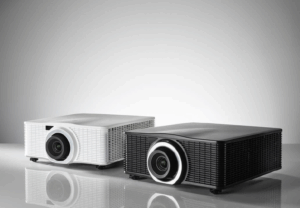
In Colombia, soccer stadiums are upgrading too. Imagine stepping into a venue with Absen LED walls lighting up the pitch, Barco G62 projectors handling pre-match visuals, and PTZOptics 30X-NDI cameras with Hive pushing live feeds straight to mobile apps and fan zones. Fans tune into ListenWiFi for play-by-play without missing a call, and the energy feels like Maracanã on a final. That’s the kind of AV that keeps fans in the moment instead of looking for the nearest exit.

Now let’s talk immersive experiences. Our Special Markets team has been transforming fan zones and gyms with headsets that bring the action straight into your ears. At one stadium install, fans tuned into play-by-play commentary in real time, no more missing the call because the guy behind you is arguing about fantasy football. This isn’t just AV, it’s personal, and it’s what makes a sports experience feel one-of-a-kind.

Sports bring passion. Nobody wants bad audio, laggy control, or a dead screen to ruin their game, whether they’re in a stadium, a gym, or a bar. With Almo Pro AV’s lineup, Absen, Samsung, LG, Planar, MAXHUB, Sharp, Sony, Epson, Panasonic, Barco, Christie, Peerless-AV, Chief, Sennheiser, JBL, Crown, AtlasIED, Bose, Netgear, LEA, SoundTube, PTZOptics, MicroTouch, Listen Technologies, AMX, Atlona, Kramer, and our Special Markets team, we’ve got every angle covered. The only thing we can’t do is fix your team’s record. If I could make the Giants, Cowboys, Dolphins, Brazil, and Portugal all win, I’d be running Vegas instead of writing blogs and selling AV. And since Almo Pro AV’s headquarters is in Philly, I’m obligated to say it… Go Eagles! (Don’t tell my Giants-loving heart I said that.)

Gisela Ramirez, Sales Director - LATAM

About the Author

Gisela Ramirez

Sales Director – LATAM

Exertis Almo

Digital Signage Essentials: Building Blocks of Visual Communication

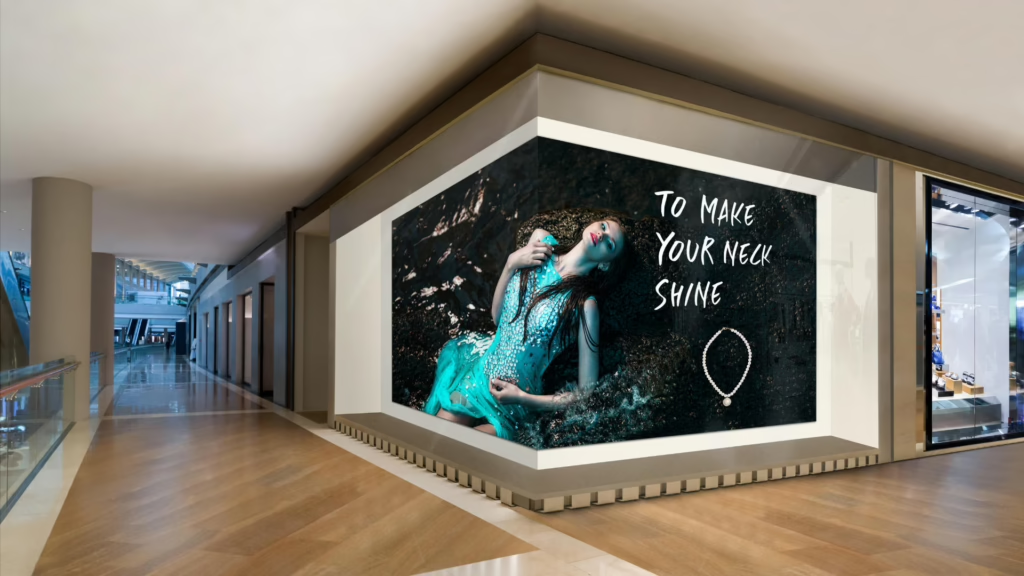
Walk into any modern corporate lobby and you’ll likely be greeted by a sleek digital display showcasing company branding, welcome messages, or real-time updates. It’s polished. It’s professional. And it’s powered by more than just the display.

Behind every impactful signage experience is a network (pun intended) of essential components – often overlooked, but absolutely critical. As AV professionals, we know that the magic of digital signage doesn’t just happen. It’s built from the ground up with the right mounts, cables, media players, and signage management platforms – and of course, an appropriately sized display.

Let’s break down the building blocks using a corporate lobby as our anchor.

Chief mountsDisplay Mounts: The Foundation of Form and Function
In a high-traffic lobby, aesthetics and safety go hand-in-hand. A commercial-grade mount like the Chief Tempo Flat Panel Wall Mount System ensures the display is securely installed, perfectly aligned, and easily serviceable while providing for mounting locations for other components. Whether it’s a single screen or a video wall, choosing the right mount affects not only the visual impact but also long-term maintenance.

Integration Tip: Always consider ADA compliance and future serviceability. Look for mounts with micro-adjustments and quick-release features to simplify installation and upkeep.

Cables & Extenders: The Lifelines of Connectivity

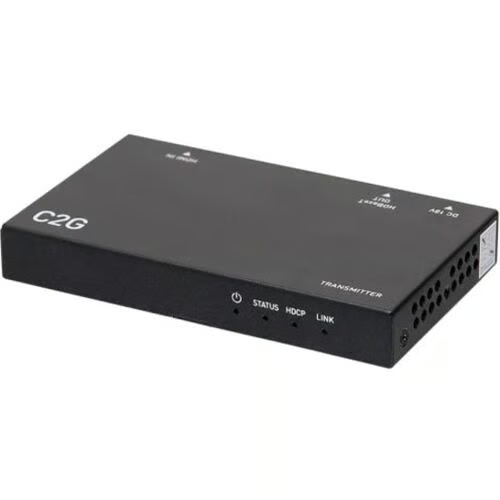
Cables may be out of sight, but they’re never out of mind for integrators. High-quality HDMI, DisplayPort, and power cables – like those from C2G or Kramer – ensure reliable signal transmission and reduce the risk of downtime. Send 4K up to 130ft or 1080p up to 230ft with C2G’s HDBaseT Transmitter and Receiver – pair with CAT6a shielded cables for crystal-clear, reliable AV performance.
Integration Tip: Use proper length shielded cables to limit clutter, while allowing access and avoiding interference in high-density installations.

BrightSign media playerMedia Players: The Content Engines

Media players are the workhorses of digital signage. Devices like the BrightSign XT5 or SpinetiX HMP400 deliver smooth playback, schedule content, and support interactive experiences.

Integration Tip: Opt for players with remote management capabilities and robust security features – especially in corporate environments where IT standards are high.

Signage Management Platforms: The Control Center

A signage deployment is only as good as its management system. Platforms like SpinetiX ARYA or Samsung MagicINFO allow AV pros and IT teams to schedule, monitor, and update content across locations with ease.

Integration Tip: Look for platforms that integrate with existing enterprise systems and offer analytics to measure engagement and performance.

NetgearAV Network Switch: Preconfigured Power

From one display to thousands, properly configured networks allow you to manage and monitor your signage network from your desk. Choosing a switch preconfigured for AV networks, like the Netgear M4250, makes the job even easier.

Integration Tip: Consider adding a POE powered media player and POE capable network switch to limit the number of power connections needed behind the display. PoE++ is becoming the new standard for Audio/Dante-controlled devices, the Netgear M4250 has 1,400 Watts available to future-proof your AV power needs.

Middle AtlanticPower Management: The Silent Protector

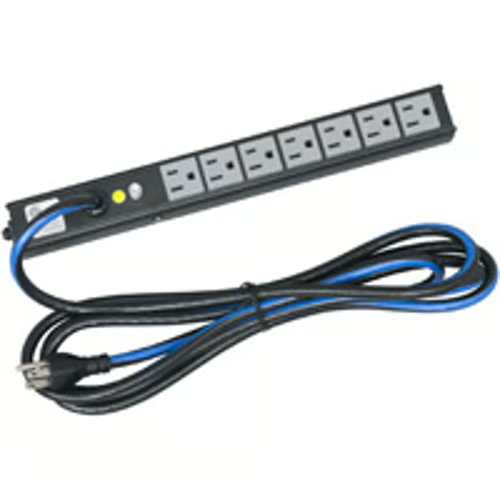
Protecting your displays and media players from a devastating power surge is as simple as adding some type of power management system. Solutions from brands like Middle Atlantic or SurgeX offer surge protection, power conditioning, and remote monitoring to keep your signage systems safe and running smoothly.

Integration Tip: Use rack-mounted or inline surge protectors with remote reboot capabilities to minimize service calls and ensure uptime in high-traffic environments

The Unsung Heroes of Impactful Signage

While the display may steal the spotlight, it’s the essentials that make the experience seamless, scalable, and secure. From the moment a visitor steps into the lobby to the time they enter a meeting space, these components work together to deliver a consistent brand experience.

Whether you’re designing a single display or a multi-zone signage network, start with the essentials, and build from there.

Ready to Elevate Your Signage Projects?

Explore Almo’s full range of digital signage solutions, including mounts, cables, controllers, players, and platforms – all backed by expert support and distribution services. Contact your Almo Pro AV rep or Business Development Manager to get started.

Todd Heberlein

Todd Heberlein | CTS, DMC-D-4K, DSCE

Senior BDM – Technical Lead

Supported Manufacturers: Absen and BrightSign

Nick Carnahan

Nick Carnahan | DSCE

BDM – Brand Specialist

Supported Manufacturers: Legrand AVChief, C2G, Da-Lite, Luxul, Middle Atlantic, Vaddio, Wiremold

Eric Olson headshot

Eric Olson​​ | CTS, DSCE

Senior BDM – Technical Lead

Supported Manufacturers: Netgear, LG, Lumens and Atlona

September in LATAM AV: Closing Strong, Setting Up Bigger Wins

September is the last stretch of Q2 for us, and if I’ve learned anything in this industry, it’s that this month decides who walks into Q3 relaxed and who walks in scrambling. If you wait until November, you’ll be the one calling your customer to explain why their install is stuck on a boat. I have made those calls before and they are not fun.
One story that always sticks with me is from Colombia. A partner decided to hold off until November, thinking Buen Fin and year-end would be their big moment. By then, they were buried in freight delays, chasing approvals, and stressing about credit. Their competitor, who moved in September, was already delivering and winning market share. That was a turning point for me. In LATAM, the ones who move first, win first.

And I see it happening across the region right now. In Costa Rica, companies are already building hybrid rooms with LG displays, Barco ClickShare, and Netgear switching so they are ready before year-end. Guatemala is finalizing education projects with NEC projectors and Aver cameras. Chilean boardrooms are running Epson projection with Yamaha audio, while in Peru, lobby spaces are coming alive with LG DVLED walls and Legrand infrastructure. Honduras has events buzzing again with SoundTube and Peerless-AV solutions, and in Jamaica, resorts are securing Samsung outdoor displays, Yamaha audio, and Legrand cabling so their guests never miss a beat.

Puerto Rico is another great example. A university there recently upgraded lecture halls with Samsung professional displays and Listen Technologies systems. Because they moved early, everything was installed and ready before students returned. No delays, no excuses, just results. Their integrator looked like a rock star.
That is why I tell every partner the same thing: September is not a filler month. It is the launchpad. Budgets are getting finalized, projects are being scoped, and the smart integrators are locking in orders before the supply chain circus kicks off. I have watched it play out again and again. The ones who act in September spend December delivering. The ones who don’t spend December apologizing.

The lesson is simple. Don’t be the integrator explaining delays. Be the one delivering. With Almo Pro AV behind you, you have the brands, the credit, and the logistics strategy to make it happen.

Gisela Ramirez, Sales Director - LATAM

About the Author

Gisela Ramirez

Sales Director – LATAM

Exertis Almo

Emerging AV Trends Shaping the Future of Government Facilities

Government facilities are undergoing a technology modernization – and AV technology is at the heart of it. From city halls and courthouses to command centers and public safety offices, agencies are investing in smarter, more secure, and more scalable AV systems to meet the demands of hybrid workforces, citizen engagement, and operational resilience.

At Almo Pro AV, we work in partnership with resellers and integrators to help them stay ahead of the curve. Let’s look at the top technologies shaping the future of public sector AV – and how you can leverage them to grow your business.

  1. AV Over IP: The Backbone of Scalable Government Infrastructure

Kramer kds7mngrAV over IP is rapidly replacing traditional AV distribution in government buildings. It offers flexibility, centralized control, and cost-effective scalability – especially for multi-site deployments and command centers.

Integrator Insight: Agencies are prioritizing TAA-compliant, secure AV-over-IP solutions that integrate with existing IT infrastructure. Almo’s product portfolio includes vetted, standards-based systems ready for federal and SLED environments.

Featured Product: Explore Kramer’s reliable AV over IP solutions, such as the KDS-7-MNGR, for seamless video distribution.

  1. Hybrid-Ready Meeting Spaces

PTZOptics Move 4kVirtual and hybrid meetings are now standard in government operations. Agencies need AV setups that support remote testimony, live streaming, and real-time collaboration with high security and accessibility.

Integrator Insight: Focus on UC platforms with ADA-compliant features, real-time captioning, and EO 14028 alignment. Almo offers training and sales enablement to help you map product features to policy requirements.

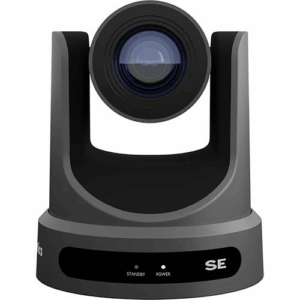
Featured Product: PTZOptics Move 4K offers built-in auto-tracking capabilities and comes native with NDI® HX3 for unparalleled performance and versatility.

  1. Digital Signage for Public Messaging and Wayfinding

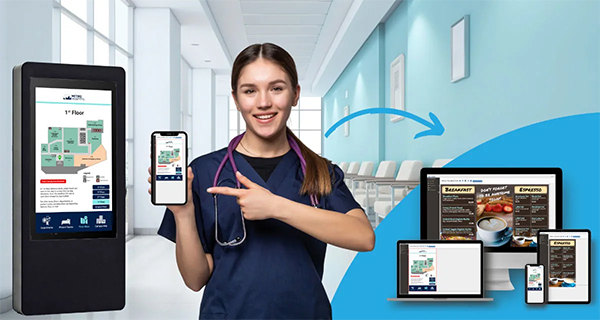
SpinetiX media playerDigital signage is becoming essential for real-time alerts, multilingual communication, and interactive wayfinding in public buildings. Agencies are replacing static signage with dynamic, remotely managed displays.

Integrator Insight: Offer signage solutions with emergency alert integration and remote content management. Almo’s partners benefit from access to exclusive signage platforms and deployment support.

Featured Product: SpinetiX iBX440 is the digital signage player that makes
video walls accessible to everyone.

  1. Assistive Listening and Accessibility TechListen Technologies

Accessibility is a legal and ethical priority. Agencies are upgrading council chambers and courtrooms with assistive listening systems, captioning, and inclusive interfaces.

Integrator Insight: Almo’s team helps you spec and source ADA-compliant solutions, including induction loops, IR systems, and real-time translation tools.

Featured Product: Auri™, powered by Listen Technologies, is the first Auracast™ broadcast audio-based solution for assistive listening.

  1. Sustainable and Energy-Efficient AVViewSonic ViewBoard

Sustainability is now a procurement priority. Agencies are seeking energy-efficient AV systems, recyclable components, and eco-conscious installation practices.

Integrator Insight: Almo offers EPEAT-certified displays and consults on green AV design to help you meet agency sustainability goals.

Featured Product: The EPEAT Gold-rated 65” ViewBoard series from ViewSonic is made with over 90% post-consumer recycled materials.

Why Almo Pro AV Is the Perfect Public Sector Partner

court roomChoosing the right technology is only part of winning in the public sector. The other part is having a partner who understands the entire procurement and deployment ecosystem – and that’s where Almo Pro AV excels.

✓ Deep Public Sector Expertise

Our dedicated public sector team has decades of experience navigating government buying cycles – from GSA contracts to SLED procurements. We speak the language of contracting officers, compliance reviewers, and IT security leads.

✓ Bid and Compliance Support

We help our partners position themselves competitively in bids by providing:

    • TAA and NDAA compliance documentation
    • RFP-ready technical narratives
    • Grant eligibility guidelines
    • Sales Enablement & Training

command and control centerWe train your sales staff to position secure AV solutions to government buyers, aligning product features with mandates like EO 14028, CISA OT guidance, and directives. Government buyers value reliability and expertise – we show up with both.

✓ Exclusive Product Access

As Christie Digital’s exclusive distribution partner for the Secure Series III, we give you a competitive edge – delivering a high-demand, compliance-ready display that your competitors can’t source through standard channels.

✓ Integration Support

We don’t just ship boxes. We understand each agency’s mission. Our technical specialists consult on system design, ensuring that your deployments align with security policies, accessibility standards, and command-center workflows.

Partner with Almo Pro AV and Lead the Future of Government AV

Public sector AV is evolving fast. Agencies need partners who understand the mission, the mandates, and the technology. With Almo Pro AV, you get more than a distributor – you get a strategic ally.

Let’s build smarter, safer, and more connected government spaces – together.

Contact an Almo Pro AV representative to get started.

Pin It on Pinterest