The Anatomy of An Audio System
Discover professional audio essentials
At Almo Pro AV, we typically focus on the technologies, trends, and solutions that help systems integrators design and deliver exceptional AV experiences. This guest post takes a different approach, stepping back to revisit the building blocks of a professional audio system.
Whether you’re onboarding new team members, helping sales staff better understand audio concepts, or simply looking for a refresher on system fundamentals, understanding how the core components work together can set the stage for more successful projects.
Professional audio systems can seem complex at first glance, but when broken down into their key elements, the signal path becomes much easier to understand. In this guide, we’ll walk through the essential components that make up a professional audio system and explain how they work together to create a reliable, high-performing solution.
Understanding what completes an audio system and partnering with a team of experts can make all the difference.
 The Core Mission of Any Audio System
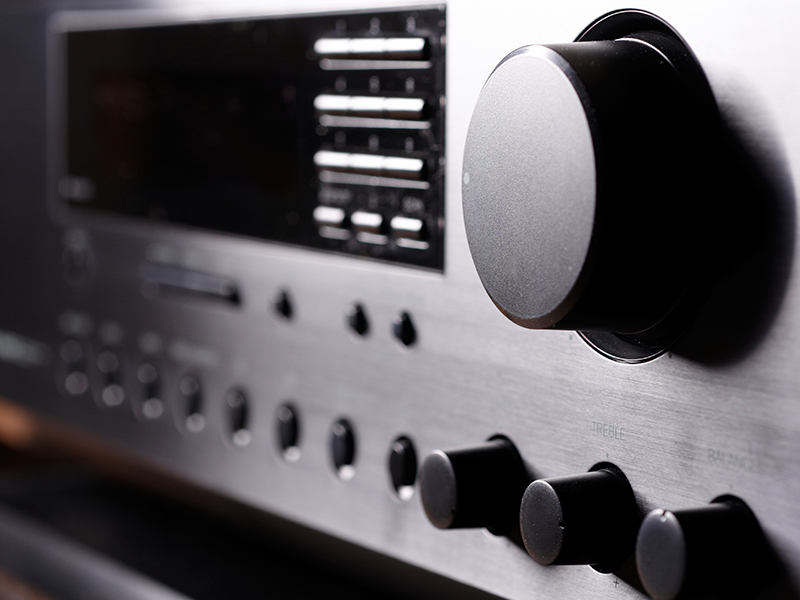
When you strip away the knobs, cables, and flashy gear, you can find that every audio system does the same thing: it takes sound waves, converts them into electrical signals to modify, combine, or amplify them, and then pushes them back out as physical sound waves.
You see this process in action every day, in many different places.
- Your living room home theater blasting a movie soundtrack
- A car audio system rocking your morning commute
- A massive stadium PA system or corporate video conference setup
- A professional recording studio capturing the next hit single
Different gear, same fundamentals. No matter how massive or tiny the setup is, the goal never changes: to capture and recreate sound as clearly, accurately, and powerfully as the environment demands.
The Breakdown
Audio solutions consist of a powerful network of components, all working together to deliver clear, balanced, and reliable sound. Each component is critical to the overall ecosystem. Selecting and integrating these elements is the key to flawless audio quality.
There are four key components to every professional audio system.
- Inputs and Sources
- Processing
- Amplification
- Output


Inputs and Source
As the foundation of any audio system, inputs and sources are “where the sound comes from.” They represent the very first step in assembling your setup and include:
- Microphones
- Instruments and pickups
- Computers/phones/tablets
- Blu-Ray/DVD/CD Players
- Streaming media players
 Processing
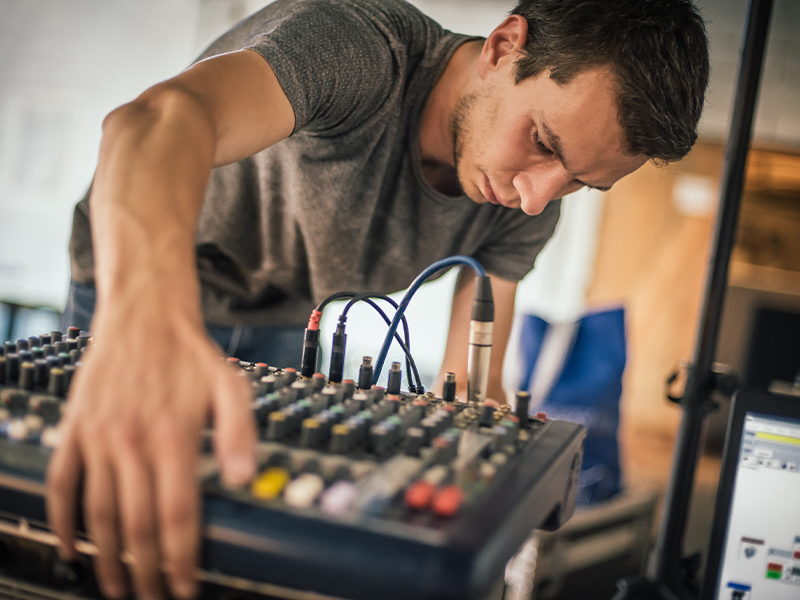
Audio processing is the practice of altering and refining sounds and sources after they have been recorded. Adjusting volume levels, reducing unwanted noise, and blending all ensure that the final mix sounds clean and balanced.
Types of processors:
- Mixers (analog or digital)
- Computer interfaces
- Digital Audio Workstations (DAWs)
- Audio Digital Signal Processors (DSPs)
- Equalizers
- Compressors
- Effects (including reverb, delay, and modulation)
- Combiners/splitters
- Encoders/decoders
- Long distance transmitters
- Recording devices (analog or digital)
Amplification
Once you have your audio sources, the next step is boosting the signal. Amplification takes quiet, initial sounds and makes them powerful.
- Loudspeaker amplifiers
- Headphone amplifiers
- Pre-amplifiers that boost signals prior to loudspeaker amplification
Output
The final step to a professional audio system involves converting the signals back to a sound wave. By sending the amplified signal to your speakers or monitors, this step brings the entire process to life, allowing listeners to hear your sound clearly.
Loudspeakers can come in a variety of formats:
- Installed loudspeakers: ceiling, surface-mount, pole-mount, and in-wall
- Portable loudspeakers: for DJs, performing bands, and public speaking
- Line array systems: optimal for performance venues
- Studio monitors: essential for recording studios
- Built-ins: loudspeakers hardwired into displays and monitors
In addition to loudspeaker options, headphones are an effective output solution.
 Expertise You Can Rely On
Whether you’re building complex enterprise audio environments or helping the next generation of AV professionals understand the fundamentals, having the right technology and the right support can make all the difference.
At Almo Pro AV, we’re proud to be a trusted partner for professional audio, offering a comprehensive portfolio of solutions backed by deep technical expertise, strong manufacturer relationships, and dependable product availability. Our dedicated audio team works alongside you at every stage of the project lifecycle, from system design and product selection to implementation and ongoing support.
What sets us apart:
- Expansive line card of leading audio brands
- More than 25 years of Pro AV expertise
- A full-solution approach focused on project success
- Reliable inventory and availability to keep projects moving
No matter where you are in the process, Almo Pro AV is here to help you deliver audio solutions with confidence, today and into the future.
 Stadiums in October aren’t just about football; they’re about atmosphere. Absen PL2.5 Pro, Samsung IAC, LG’s LAPA136-GF.AUSQ, Planar TVF, and MAXHUB LM138A07 LED walls make even the nosebleeds feel like front row. Epson EB-PU2220B projectors put replays on the big board brighter than the Florida sun. Christie Griffyn 4K32-RGB lights up end zones like Broadway, and Panasonic PT-MZ880 keeps multipurpose areas covered. Peerless-AV and Chief mounts hold it all steady, while Sennheiser EW-DX mics, JBL VTX arrays, and Crown I-Tech amps make every whistle and roar shake the concrete. And if you don’t have control? Forget it. AMX and Atlona keep the show running smooth so no one fumbles the AV on 4th down.

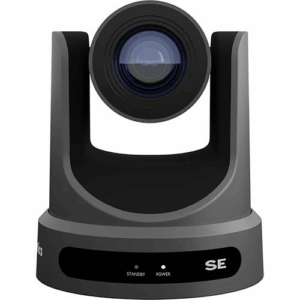
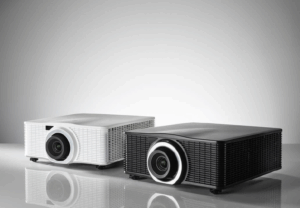 In Colombia, soccer stadiums are upgrading too. Imagine stepping into a venue with Absen LED walls lighting up the pitch, Barco G62 projectors handling pre-match visuals, and PTZOptics 30X-NDI cameras with Hive pushing live feeds straight to mobile apps and fan zones. Fans tune into ListenWiFi for play-by-play without missing a call, and the energy feels like Maracanã on a final. That’s the kind of AV that keeps fans in the moment instead of looking for the nearest exit.
 September is the last stretch of Q2 for us, and if I’ve learned anything in this industry, it’s that this month decides who walks into Q3 relaxed and who walks in scrambling. If you wait until November, you’ll be the one calling your customer to explain why their install is stuck on a boat. I have made those calls before and they are not fun.
 And I see it happening across the region right now. In Costa Rica, companies are already building hybrid rooms with
  Puerto Rico is another great example. A university there recently upgraded lecture halls with
  Audio hits because someone knew how to tune it.
 We play well with others. We share what we know. And we show up—online, onsite, at trainings, and at events. Trade shows and demos give us a chance to exchange more than information—we share a little of ourselves. That’s where real bonds form, and those connections make everything we do together stronger.
 It’s these behind-the-scenes wins that turn potential into real results.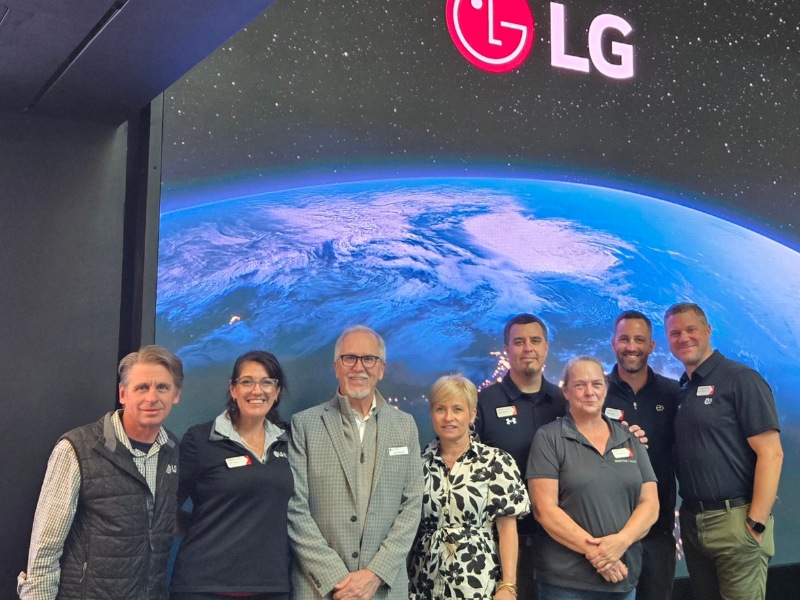

 I have often joked that AV doesn’t run on electricity – it runs on food and coffee (or energy drinks for the installers). Truthfully, it runs on relationships. Some new but most old. Something came up and they took care of you. What was supposed to happen, happened or they helped ease a difficult situation. It was something that went beyond the swag – it was that personal touch. A quick call or email after hours. Listening. Solving the problem and making it right.
 AV is a relationship business whether it be with manufacturers, distributors, rep firms or clients. The equipment itself is often secondary.
 InfoComm
 From there we were greeted with a personalized surprise – the huge Samsung video wall in the lobby had been customized to welcome the Exertis Almo team to the Experience Center!
 Soundcraft mixer so that you could easily switch between the different models – a very enlightening experience for a mic nerd like myself!
 But all of this was just an introduction to the main hall, where JBL loudspeakers, Crown amplifiers, BSS and dbx signal processors, AMX control and video products, and Martin lighting were on full display. Harman has put a lot of effort into this room, and they make it easy to demo, see, and A/B their installed product lineups. Tewks led us though the experience, explaining the differences between the various Crown amplifier series, discussing and demoing the multitude of JBL ceiling and wall-mounted loudspeakers and explaining fun stuff like speaker waveguides.
 On the other wall, at a relatively safe distance, were JBL’s line array speakers flown from the ceiling. The SRX, VRX, and VTX-series line array speakers are JBL’s flagship offerings for large venues, and its not everyday you get to hear this level of performance in a private setting. The folks at Harman very cleverly configured the line array demo to start at the push of a big red button – our own Brent Dowler got to do the honors. After the button was pushed, the lights went down and the show started.