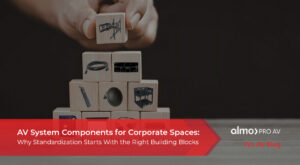
AV System Components for Corporate Spaces: Why Standardization Starts With the Right Building Blocks
If you work in corporate AV, you’ve likely heard the same request from every client: “Make the rooms consistent, reliable, and easy to support.” In 2026, that ask is louder than ever. Industry outlooks point to a clear theme across enterprises; standardize what you deploy so every room behaves the same way, from Chicago to London. That work doesn’t start with the biggest screens or the flashiest DSPs. It starts with the essential system components: quality cables, reliable mounts, right sized switches, projection screens, adapters, and the other pieces that connect it all.
Why periphoral gear matters more this year
After years of rapid hybrid rollouts, many organizations are stepping back to level set their environments. They’re replacing “good enough for now” gear with standardized kits that deliver predictable performance. This trend shows up across multiple industry sources that highlight standardization, interoperability, and supportability as 2026 priorities.
Two forces are driving the shift:
- Support teams need fewer variables. When your mounts, cables, extenders, and screens are consistent, field issues drop and troubleshooting gets faster. Enterprise leaders are explicitly prioritizing room to room consistency to reduce day to day friction for users and IT alike.
- AV and IT are converging. As AV is becoming more integrated into IT network switches, basics like proper cabling, switching, and secure device selection directly affect performance and cybersecurity posture. Accessories chosen with IT in mind help ensure clean signal paths and fewer help desk tickets.
Trends shaping how you choose periphoral gear
 Standardization is the new innovation. Integrators are being asked to build repeatable room types that scale across floors and regions. That depends on predictable, vetted building blocks – not one off parts.
Interoperability and ease of use. Customers want rooms that “just work” no matter the meeting platform. That requires attention to the small things: certified cables that carry the bandwidth you promise, mounts aligned to your standard displays, and switches sized for current and near term needs. Interoperability remains a defining theme in 2026 as users expect simple, cross platform collaboration.
Data, monitoring, and lifecycle planning. More enterprises are using room analytics and remote management to guide refresh cycles. That only pays off if the physical foundation is stable. Clean wiring, consistent accessories, and known good parts reduce false alarms and make remote diagnostics meaningful.
Growth in networked AV. AV over IP continues to expand as businesses upgrade to higher bandwidth and connected systems. That puts extra pressure on proper switches, cabling, and labeling – all squarely in the “components” category. Industry roundups note the mainstreaming of networked AV and the need for stronger reliability and security as systems scale.
For example: A company rolled out AV‑over‑IP using switches that worked fine at first, but as more rooms came online and resolutions increased, video latency and packet loss started appearing during peak hours. The issue wasn’t the endpoints. It was the need to upgrade the switches and standardize bandwidth planning across room types.
What “good” looks like in a corporate space
Here’s a practical checklist we see winning in boardrooms, huddle spaces, meeting rooms, lobbies, and workstations:
- Cabling that matches the spec, not just the price. Correctly rated HDMI/USB C, category, and fiber runs sized for high resolution content and room distances. Poor cabling is a top cause of signal issues and intermittent failures, which is why standardizing on vetted SKUs pays off fast.
- Mounts that fit your standard displays and use cases. Keep a short list that covers fixed, tilt, articulating, and ceiling needs. Consistency here speeds installation and simplifies service calls.
- Switches and extenders chosen with IT. Size switches for both current traffic and near-term growth, and ensure devices are aligned with your AVoIP roadmap and security expectations. The 2026 focus on connected, secure systems makes these choices foundational.
- Projection screens where they still make sense. Not every space needs LED or a tiled LCD wall. In training rooms and multi purpose spaces, a well matched projector and screen remain cost effective as long as the essentials around them are planned correctly.
- Labeling, documentation, and spare kits. Treat labels, cable management, and spares as part of the essential bill of materials. Standardized documentation makes remote support and managed services far more effective.
Why source all AV system components through Almo
 Your teams want to streamline purchasing and reduce on site surprises. Consolidating the components with Almo helps you do both:
- One BOM, fewer delays. We help you assemble complete kits for each room type, so procurement and staging are straightforward and predictable. That aligns with the enterprise push to standardize spaces in 2026.
- Pre vetted compatibility. Our specialists live in the details: cable lengths, mounting patterns, bandwidth constraints, power needs. We validate the parts list against your design and room templates.
- Breadth across trusted brands. You get the flexibility to match brand standards and budgets without reinventing your essentials list for every project. Industry outlooks consistently point to scalability and security as must haves this year; our line card and guidance support both.
- Support that mirrors your standardization goals. From design assistance to post install troubleshooting, we help you keep rooms consistent and easy to manage as your portfolio grows. The more your kits repeat, the more value you get from remote monitoring and analytics.
The takeaway
In corporate AV, reliability starts with the pieces that rarely make headlines. Get the AV system components right and you’ll spend less time firefighting, more time delivering a consistent user experience that scales across locations. The 2026 trendlines are clear; standardize, simplify, and build for the long term with components you trust.
Ready to simplify your BOM and standardize your corporate spaces?
Connect with the Almo Pro AV team for a quick consultation. We’ll review your room types, recommend the right periphorals, and help you source everything in one place so your next rollout is smoother from day one.
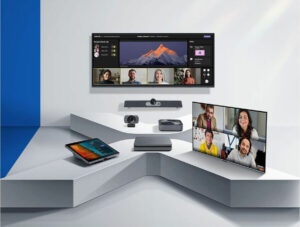 Here are a few examples of plug-and-play options that integrators are leveraging to help clients upgrade quickly:
 Display Mounts: The Foundation of Form and Function
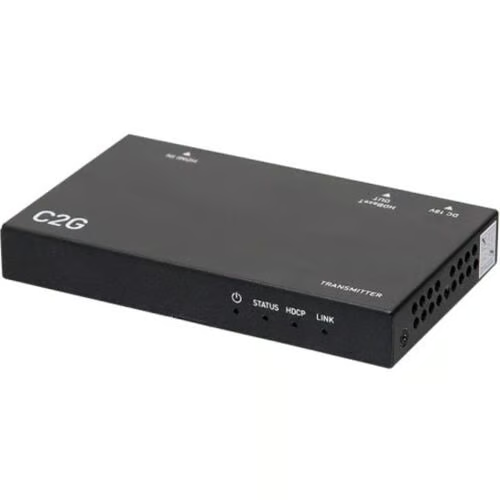 Cables may be out of sight, but they’re never out of mind for integrators. High-quality HDMI, DisplayPort, and power cables – like those from
 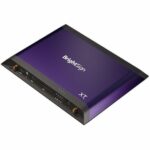 Media Players: The Content Engines
 AV Network Switch: Preconfigured Power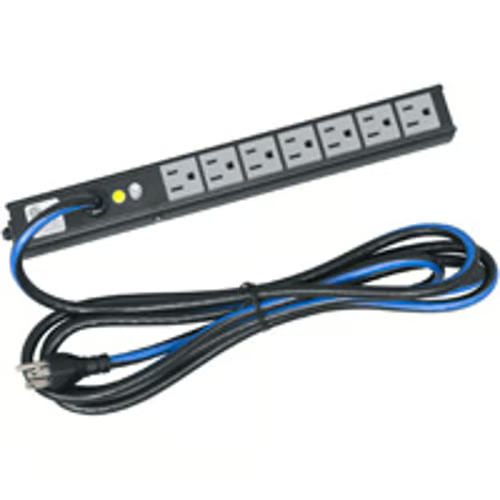



 AV over IP is rapidly replacing traditional AV distribution in government buildings. It offers flexibility, centralized control, and cost-effective scalability – especially for multi-site deployments and command centers.
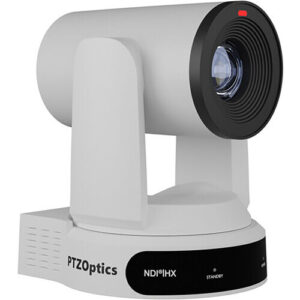 Virtual and hybrid meetings are now standard in government operations. Agencies need AV setups that support remote testimony, live streaming, and real-time collaboration with high security and accessibility.
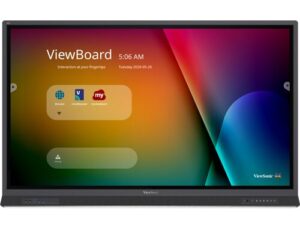
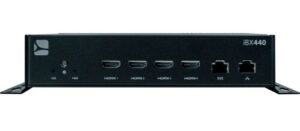 Digital signage is becoming essential for real-time alerts, multilingual communication, and interactive wayfinding in public buildings. Agencies are replacing static signage with dynamic, remotely managed displays.
 Choosing the right technology is only part of winning in the public sector. The other part is having a partner who understands the entire procurement and deployment ecosystem – and that’s where Almo Pro AV excels.
 We train your sales staff to position secure AV solutions to government buyers, aligning product features with mandates like EO 14028, CISA OT guidance, and directives. Government buyers value reliability and expertise – we show up with both.
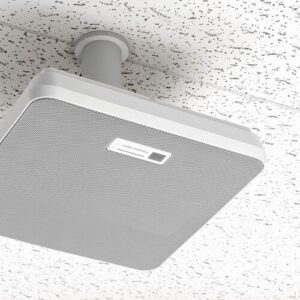 Ceiling and Wall Microphone Arrays
 Finally, for the trend that is assuredly NOT one that I hope sticks around, is the continued assault on acoustics that is modern conference room design. The aesthetics of modern conference room design seem to be engineered to be in direct opposition to what makes a room sound good.
 We gave them a
  We gave them an
  Down in Guatemala City, a university needed hybrid learning across multiple classrooms. What they had was a mess. Different brands in every room, spotty audio, and teachers wasting half their class time setting up.