Digital Signage Essentials: Building Blocks of Visual Communication

Walk into any modern corporate lobby and you’ll likely be greeted by a sleek digital display showcasing company branding, welcome messages, or real-time updates. It’s polished. It’s professional. And it’s powered by more than just the display.

Behind every impactful signage experience is a network (pun intended) of essential components – often overlooked, but absolutely critical. As AV professionals, we know that the magic of digital signage doesn’t just happen. It’s built from the ground up with the right mounts, cables, media players, and signage management platforms – and of course, an appropriately sized display.

Let’s break down the building blocks using a corporate lobby as our anchor.

Chief mountsDisplay Mounts: The Foundation of Form and Function

In a high-traffic lobby, aesthetics and safety go hand-in-hand. A commercial-grade mount like the Chief Tempo Flat Panel Wall Mount System ensures the display is securely installed, perfectly aligned, and easily serviceable while providing for mounting locations for other components. Whether it’s a single screen or a video wall, choosing the right mount affects not only the visual impact but also long-term maintenance.

Integration Tip: Always consider ADA compliance and future serviceability. Look for mounts with micro-adjustments and quick-release features to simplify installation and upkeep.

Cables & Extenders: The Lifelines of Connectivity
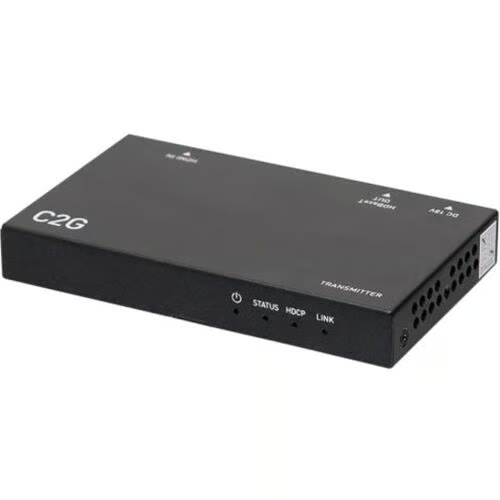
Cables may be out of sight, but they’re never out of mind for integrators. High-quality HDMI, DisplayPort, and power cables – like those from C2G or Kramer – ensure reliable signal transmission and reduce the risk of downtime. Send 4K up to 130ft or 1080p up to 230ft with C2G’s HDBaseT Transmitter and Receiver – pair with CAT6a shielded cables for crystal-clear, reliable AV performance.

Integration Tip: Use proper length shielded cables to limit clutter, while allowing access and avoiding interference in high-density installations.
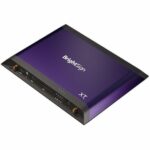
BrightSign media playerMedia Players: The Content Engines

Media players are the workhorses of digital signage. Devices like the BrightSign XT5 or SpinetiX HMP400 deliver smooth playback, schedule content, and support interactive experiences.

Integration Tip: Opt for players with remote management capabilities and robust security features – especially in corporate environments where IT standards are high.

Signage Management Platforms: The Control Center

A signage deployment is only as good as its management system. Platforms like SpinetiX ARYA or Samsung MagicINFO allow AV pros and IT teams to schedule, monitor, and update content across locations with ease.

Integration Tip: Look for platforms that integrate with existing enterprise systems and offer analytics to measure engagement and performance.

NetgearAV Network Switch: Preconfigured Power

From one display to thousands, properly configured networks allow you to manage and monitor your signage network from your desk. Choosing a switch preconfigured for AV networks, like the Netgear M4250, makes the job even easier.

Integration Tip: Consider adding a POE powered media player and POE capable network switch to limit the number of power connections needed behind the display. PoE++ is becoming the new standard for Audio/Dante-controlled devices, the Netgear M4250 has 1,400 Watts available to future-proof your AV power needs.
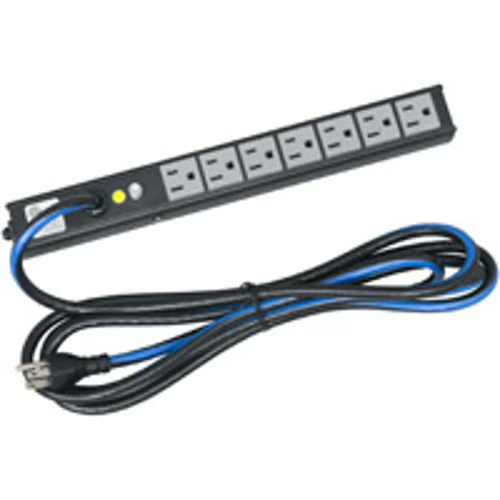
Middle AtlanticPower Management: The Silent Protector

Protecting your displays and media players from a devastating power surge is as simple as adding some type of power management system. Solutions from brands like Middle Atlantic or SurgeX offer surge protection, power conditioning, and remote monitoring to keep your signage systems safe and running smoothly.

Integration Tip: Use rack-mounted or inline surge protectors with remote reboot capabilities to minimize service calls and ensure uptime in high-traffic environments

The Unsung Heroes of Impactful Signage

While the display may steal the spotlight, it’s the essentials that make the experience seamless, scalable, and secure. From the moment a visitor steps into the lobby to the time they enter a meeting space, these components work together to deliver a consistent brand experience.

Whether you’re designing a single display or a multi-zone signage network, start with the essentials, and build from there.

Ready to Elevate Your Signage Projects?

Explore Almo’s full range of digital signage solutions, including mounts, cables, controllers, players, and platforms – all backed by expert support and distribution services. Contact your Almo Pro AV rep or Business Development Manager to get started.

Todd Heberlein

Todd Heberlein | CTS, DMC-D-4K, DSCE

Senior BDM – Technical Lead

Supported Manufacturers: Absen and BrightSign

Nick Carnahan

Nick Carnahan | DSCE

BDM – Brand Specialist

Supported Manufacturers: Legrand AVChief, C2G, Da-Lite, Luxul, Middle Atlantic, Vaddio, Wiremold

Eric Olson headshot

Eric Olson​​ | CTS, DSCE

Senior BDM – Technical Lead

Supported Manufacturers: Netgear, LG, Lumens and Atlona

September in LATAM AV: Closing Strong, Setting Up Bigger Wins

September is the last stretch of Q2 for us, and if I’ve learned anything in this industry, it’s that this month decides who walks into Q3 relaxed and who walks in scrambling. If you wait until November, you’ll be the one calling your customer to explain why their install is stuck on a boat. I have made those calls before and they are not fun.
One story that always sticks with me is from Colombia. A partner decided to hold off until November, thinking Buen Fin and year-end would be their big moment. By then, they were buried in freight delays, chasing approvals, and stressing about credit. Their competitor, who moved in September, was already delivering and winning market share. That was a turning point for me. In LATAM, the ones who move first, win first.

And I see it happening across the region right now. In Costa Rica, companies are already building hybrid rooms with LG displays, Barco ClickShare, and Netgear switching so they are ready before year-end. Guatemala is finalizing education projects with NEC projectors and Aver cameras. Chilean boardrooms are running Epson projection with Yamaha audio, while in Peru, lobby spaces are coming alive with LG DVLED walls and Legrand infrastructure. Honduras has events buzzing again with SoundTube and Peerless-AV solutions, and in Jamaica, resorts are securing Samsung outdoor displays, Yamaha audio, and Legrand cabling so their guests never miss a beat.

Puerto Rico is another great example. A university there recently upgraded lecture halls with Samsung professional displays and Listen Technologies systems. Because they moved early, everything was installed and ready before students returned. No delays, no excuses, just results. Their integrator looked like a rock star.

That is why I tell every partner the same thing: September is not a filler month. It is the launchpad. Budgets are getting finalized, projects are being scoped, and the smart integrators are locking in orders before the supply chain circus kicks off. I have watched it play out again and again. The ones who act in September spend December delivering. The ones who don’t spend December apologizing.

The lesson is simple. Don’t be the integrator explaining delays. Be the one delivering. With Almo Pro AV behind you, you have the brands, the credit, and the logistics strategy to make it happen.

Gisela Ramirez, Sales Director - LATAM

About the Author

Gisela Ramirez

Sales Director – LATAM

Exertis Almo

Emerging AV Trends Shaping the Future of Government Facilities

Government facilities are undergoing a technology modernization – and AV technology is at the heart of it. From city halls and courthouses to command centers and public safety offices, agencies are investing in smarter, more secure, and more scalable AV systems to meet the demands of hybrid workforces, citizen engagement, and operational resilience.

At Almo Pro AV, we work in partnership with resellers and integrators to help them stay ahead of the curve. Let’s look at the top technologies shaping the future of public sector AV – and how you can leverage them to grow your business.

  1. AV Over IP: The Backbone of Scalable Government Infrastructure

Kramer kds7mngrAV over IP is rapidly replacing traditional AV distribution in government buildings. It offers flexibility, centralized control, and cost-effective scalability – especially for multi-site deployments and command centers.
Integrator Insight: Agencies are prioritizing TAA-compliant, secure AV-over-IP solutions that integrate with existing IT infrastructure. Almo’s product portfolio includes vetted, standards-based systems ready for federal and SLED environments.

Featured Product: Explore Kramer’s reliable AV over IP solutions, such as the KDS-7-MNGR, for seamless video distribution.

  1. Hybrid-Ready Meeting Spaces

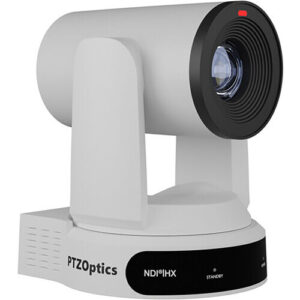
PTZOptics Move 4kVirtual and hybrid meetings are now standard in government operations. Agencies need AV setups that support remote testimony, live streaming, and real-time collaboration with high security and accessibility.
Integrator Insight: Focus on UC platforms with ADA-compliant features, real-time captioning, and EO 14028 alignment. Almo offers training and sales enablement to help you map product features to policy requirements.

Featured Product: PTZOptics Move 4K offers built-in auto-tracking capabilities and comes native with NDI® HX3 for unparalleled performance and versatility.

  1. Digital Signage for Public Messaging and Wayfinding

SpinetiX media playerDigital signage is becoming essential for real-time alerts, multilingual communication, and interactive wayfinding in public buildings. Agencies are replacing static signage with dynamic, remotely managed displays.

Integrator Insight: Offer signage solutions with emergency alert integration and remote content management. Almo’s partners benefit from access to exclusive signage platforms and deployment support.

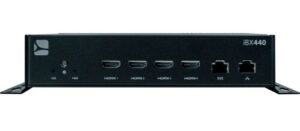
Featured Product: SpinetiX iBX440 is the digital signage player that makes
video walls accessible to everyone.

  1. Assistive Listening and Accessibility TechListen Technologies

Accessibility is a legal and ethical priority. Agencies are upgrading council chambers and courtrooms with assistive listening systems, captioning, and inclusive interfaces.

Integrator Insight: Almo’s team helps you spec and source ADA-compliant solutions, including induction loops, IR systems, and real-time translation tools.

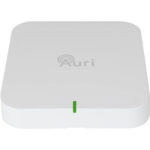
Featured Product: Auri™, powered by Listen Technologies, is the first Auracast™ broadcast audio-based solution for assistive listening.

  1. Sustainable and Energy-Efficient AVViewSonic ViewBoard

Sustainability is now a procurement priority. Agencies are seeking energy-efficient AV systems, recyclable components, and eco-conscious installation practices.

Integrator Insight: Almo offers EPEAT-certified displays and consults on green AV design to help you meet agency sustainability goals.

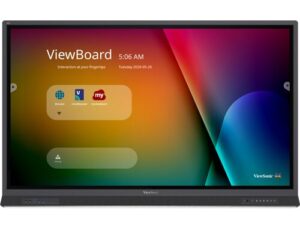
Featured Product: The EPEAT Gold-rated 65” ViewBoard series from ViewSonic is made with over 90% post-consumer recycled materials.

Why Almo Pro AV Is the Perfect Public Sector Partner

court roomChoosing the right technology is only part of winning in the public sector. The other part is having a partner who understands the entire procurement and deployment ecosystem – and that’s where Almo Pro AV excels.

✓ Deep Public Sector Expertise

Our dedicated public sector team has decades of experience navigating government buying cycles – from GSA contracts to SLED procurements. We speak the language of contracting officers, compliance reviewers, and IT security leads.

✓ Bid and Compliance Support

We help our partners position themselves competitively in bids by providing:

    • TAA and NDAA compliance documentation
    • RFP-ready technical narratives
    • Grant eligibility guidelines
    • Sales Enablement & Training

command and control centerWe train your sales staff to position secure AV solutions to government buyers, aligning product features with mandates like EO 14028, CISA OT guidance, and directives. Government buyers value reliability and expertise – we show up with both.
✓ Exclusive Product Access

As Christie Digital’s exclusive distribution partner for the Secure Series III, we give you a competitive edge – delivering a high-demand, compliance-ready display that your competitors can’t source through standard channels.

✓ Integration Support

We don’t just ship boxes. We understand each agency’s mission. Our technical specialists consult on system design, ensuring that your deployments align with security policies, accessibility standards, and command-center workflows.

Partner with Almo Pro AV and Lead the Future of Government AV

Public sector AV is evolving fast. Agencies need partners who understand the mission, the mandates, and the technology. With Almo Pro AV, you get more than a distributor – you get a strategic ally.

Let’s build smarter, safer, and more connected government spaces – together.

Contact an Almo Pro AV representative to get started.

Pro Audio Trends 2025: The Good, The Smart, and The Acoustically Ugly

As we continue to barrel through 2025 (how is it the middle of August already?!?), I wanted to take a second to look at some of the trends that are shaping pro audio in our current landscape. We are seeing a steady march of technological breakthroughs – particularly in the conferencing space – which make our lives as audio professionals easier and our solutions more effective. However, as they say – physics is physics – and the spaces in which we are having to implement these solutions are making our success harder and harder to come by.

Let’s take a look at the pro audio landscape in 2025 – the good and the not-so-good.

All 1s and 0s – Networked Audio

In my opinion, we can declare the networked audio wars over, and Dante has emerged the victor (for better or for worse). Although many networked audio protocols still exist and see limited, niche use (AVB, I’m looking in your direction…), Dante now sees the most widespread use and adoption across the pro audio industry. Dante has become so popular and inexpensive that we are now seeing it at almost every price point – from budget mixers to entry-level speakers, and even some in the consumer audio world.

Networked audio is such a revolution that it deserves its own blog post, but put simply, it maximizes installation convenience and flexibility by routing all audio channels through a digital, networked backbone of Cat cables and network switches. For example, an event that used to require 32 individual input cables run from the front to the back of the room can now be handled by one Cat6 cable.

Not only is networked audio convenient, but it is also incredibly flexible. Routing one input to multiple outputs can now be done with a few mouse clicks. Changes can be made on the fly without even having to touch a physical cable.

Will Dante be the ultimate networked audio solution into the future? Due to its channel count limitations, likely not. But for now, its ease of use, flexibility, widespread adoption, and low cost, Dante is the go-to solution for 2025 and at least the next few years.

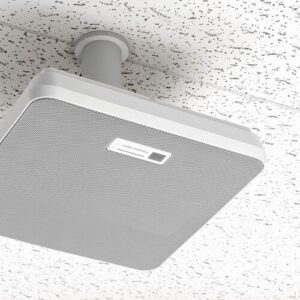
Audio-Technica beamforming ceiling micCeiling and Wall Microphone Arrays

We all work in the conferencing space extensively these days, and most of these spaces have the same needs: effective and professional-sounding audio which is as aesthetically unobtrusive as possible. Into this breech have stepped most of the major audio manufacturers – Shure, Yamaha, Sennheiser, Audio-Technica – with ceiling- or wall-mounted beamforming array microphones.

The amount of choices here is dizzying, but the technology in all of them is similar. They use sophisticated beamforming algorithms to isolate individual speakers, suppress background noise, and automatically adjust pickup patterns based on who is talking. Typically these are mounted on the ceiling, which eliminates the paper-shuffling noise of a table microphone, and the inconvenience and limited durability of gooseneck microphones.

Are beamforming microphones the correct solution for all conference rooms? Of course not. Most are limited to a maximum 25’x25’ coverage area, and audio at the edges of these coverage zones can sound thin. Locating microphones as close as possible to the speaker is always best practice, and some room configurations may not lend themselves to a ceiling mic array. Beamforming mics can also tend to be on the expensive side, so some situations may be better served by a more traditional solution.

The Challenge: Did Architects Forget About Sound?

modern conference roomFinally, for the trend that is assuredly NOT one that I hope sticks around, is the continued assault on acoustics that is modern conference room design. The aesthetics of modern conference room design seem to be engineered to be in direct opposition to what makes a room sound good.

Take a look at pretty much any conference room designed in the last 5-8 years: floor-to-ceiling glass walls and polished concrete floors that reflect every minute sound, exposed HVAC duct work that creates a continuous low-frequency rumble, open, cavernous ceiling spaces – it’s a miracle that we can hear anything intelligible in these spaces.

Although current mic and DSP technology can work miracles to overcome some of these challenges, the frustrating part of this is that with proper acoustic design choices, we wouldn’t need as many of these work-arounds. We are spending thousands of dollars on sophisticated signal processing to compensate for poor design choices.

These trends tend to come and go, so my fingers are firmly crossed that the open-ceiling, glass wall, concrete floor trends of this era go away – and quickly!

Wrapping Up

The professional audio industry has always been about solving problems and making communication clearer. We are seeing the promise of networked audio and advanced processing in action on a daily basis to make projects successful.

The future of pro audio is networked, intelligent, and unfortunately, still dealing with some questionable architectural choices.

If you need help finding the right technology for your next project, or have a difficult audio problem that needs solving, reach out to the audio team at Almo ProAV at [email protected]!

Audio enthusiast? Check out “Visiting the JBL Experience Center“.
John Rossman - headshot-frame

About the Author

John Rossman | CTS

BDM II – Technical Specialist

Supported Manufacturers: Harman ProfessionalAKG, AMX, BSS, Crown, DBX, JBL, Lexicon, Martin, & Soundcraft

AV Ecosystems: Because ‘Just Plug It In’ Never Works Out That Way

If I had a dollar for every time someone told me “We just need a screen and maybe a speaker,” I could retire early and start an LED ministry on the beach. Let’s be honest. AV is not a bunch of parts you slap on a quote to check a box. It’s an ecosystem. Everything has to work together or nothing works at all. When you get it right, the tech fades into the background and the experience takes the lead.

Here’s a real one from a client in Raleigh. High-end financial firm, fancy chairs, gorgeous space, zero tech harmony. Meetings were starting late, execs were sharing content through personal hotspots, and the poor IT guy was one coffee away from quitting.

We stepped in and flipped the script.

We gave them a Sony Pro BRAVIA 98 inch display that actually made spreadsheets look exciting. Dropped in an AVer CAM570 with smart AI framing so no one had to babysit the camera. Ran Legrand Wiremold cable management to keep the conference table looking sharp. Deployed a Netgear M4250 AV Line switch to handle bandwidth like a pro. Then added a Nureva HDL410 audio system that made the whole room sound like everyone had a mic, even the quiet ones in the back. Everything was integrated clean with Chief and Middle Atlantic gear.

Now their meetings start on time, nobody’s crawling under the table with a USB-C adapter, and the CEO stopped cursing during video calls. Progress.

Let’s hop down to Myrtle Beach. A boutique hotel wanted to upgrade their banquet space. They do weddings on Saturdays and corporate meetings Monday through Friday. One mic system wasn’t cutting it and the projector looked like it came from a garage sale.

We gave them an LG 136 inch All-in-One LED that stole the show. Installed a Shure MXA910 ceiling mic that catches every “I do” and every quarterly forecast. Added an Absenicon display in the lobby running BrightSign XT5 for customized welcome messages and event branding. Listen Technologies handled their ADA audio compliance. And they’re running everything off Atlona’s Velocity platform. It’s simple enough for the front desk to use, but powerful enough for back-to-back events.

Now they’re booking more events, charging more per room, and the tech just works. Imagine that.

Down in Guatemala City, a university needed hybrid learning across multiple classrooms. What they had was a mess. Different brands in every room, spotty audio, and teachers wasting half their class time setting up.

We standardized the setup. Epson PowerLite projectors. Sharp interactive displays. PTZOptics cameras with AI-powered tracking so teachers can walk and teach without losing the shot. BrightSign controls their content campus-wide. Netgear handles the network backbone. One ecosystem, one support path, one happy IT team.

And let’s talk about AI. If your system isn’t leveraging AI today, you’re already behind. From auto-framing cameras to predictive audio leveling, AI is the new teammate in the room. It doesn’t just make things smarter. It makes things smoother. Faster. Simpler. That’s the real win.

The truth is, when AV is done right, people don’t talk about the tech. They talk about how great the space feels. That’s the goal. And we get there by building real ecosystems, not tech Frankensteins.

So whether you’re designing a boardroom in Raleigh, a venue in Myrtle Beach, or a classroom in Bogotá, stop cobbling. Start connecting.

You bring the vision. We’ll bring the brands and the brains to make it all work.

Gisela Ramirez, Sales Director - LATAM

About the Author

Gisela Ramirez

Sales Director – LATAM

Exertis Almo

Why Your Church Clients Struggle with Sound – and How You Can Help

Have you ever walked into a worship service and the sound was bad? You’re not alone. “Sound” in and of itself isn’t bad. It’s a combination of musicians, instruments, sound equipment, acoustics and whoever has been tasked with mixing the sound.

That’s a lot of things in the sound pathway to the listeners and with an amazing number of variables in each step.

I’ve been involved in church sound for almost four decades and historically, at least for me, my main struggles don’t normally involve the musicians or their instruments.

That leaves the sound equipment, acoustics and the sound person – and fixing any of these can be costly.

The Sound Equipment:

The cost of sound equipment, especially for small or struggling congregations, can be a challenge. Complicating that – and often setting unrealistic expectations – is equipment that can be found cheaply online. It’s often an off-brand name sporting ridiculously low prices. (A hint here: If it says, “Professional” in the name or description, it usually isn’t, and that applies to many more things than sound gear.)

When an equipment upgrade or renovation is evident, the research usually starts with an online post that begins with, “What can I get for $xx?” If the cost and not the application is always paramount, you’re probably headed down the path of substandard, throwaway and unsupported equipment with a side dish of questionable sound quality.

I get it. Dollars can be hard to come by. I faced it every time I needed equipment for the sound business I used to run. However, I never once regretted putting off a purchase so I could afford better equipment the first time. I did -multiple times -regret buying the ever-so-popular inexpensive substitutes because it was “all I could afford”.

The Room:

The big questions here are, “Is this room suitable for the particular worship style and can the spoken word be heard intelligibly?”

This quote is from Jun Lim, an AV Designer and Instructor in the Philippines:
“No matter how excellent an audio system is, it cannot surpass the limitations imposed by the acoustic environment.”

Read that again and take it in. That quote is worth plastering everywhere.

The late John Murray said, “Once the sound leaves the loudspeakers, it’s out in the wild.”

They are both saying the same thing. The room matters. If the room sucks, the sound is going to suck. If you’re wanting a contemporary worship style in a cathedral that was designed for Gregorian chants, it’s not going to work. The reverse is true as well – Gregorian chants won’t work in a drywall box.

Sadly, acoustical analysis and treatment is the most oft-neglected aspect in all of Pro AV – including House of Worship (HoW). It seems easier to justify purchasing a loudspeaker or a screen because you can better see that tangible asset. Where did the congregation’s money go? You can see it hanging right there!

Spending money on acoustical analysis and treatment can sometimes be a harder sell as sometimes we think technology can fix everything. If we adhere to that mentality, we end up in a constant cycle of buying the latest, greatest most updatest mic, console, loudspeaker, processor, etc. while never addressing the core problem: the acoustic environment.

It’s also amazing how well you can make lower-end equipment sound in a good room.

The Sound Person:

The Tech Team (if you’re fortunate enough to have a team) is usually all volunteer and not often a sound professional. They only get to practice their craft about eight hours a month if they’re the only one doing it and if that’s the only band and room they know, it’s hard to develop increasing skills. Sadly, without proper training, learning may only come through tribal knowledge, and misconceptions about how to run sound and how to tune a sound system run rampant.

Where to Spend the Congregants’ Money:
Dollars are not unlimited so you will need to make choices. My recommendation is to forget the gear and first consider the acoustic environment. Ask the question, “Is this room properly suited for what we are trying to accomplish?” If not, fix it. After the room is fixed, consider equipment but not until then.

While I can buy wireless microphones online for as little as $25.00 per channel, don’t let temptation get the best of you. You should know better. While a budget wireless system might run you a bit over $300.00 per channel, consider for around $500.00 the increased sound quality of a hardwired mic by the same well-known microphone manufacturer as an alternative. (Who would not want to sing into a Shure KSM or a Sennheiser MD 431 II?)

The same philosophy should be used for every aspect of your sound system. What’s popular may not always be the best. Upgrades and replacements may have to be done over time. Another overlooked practice is the establishment of a budget for maintenance and upgrades.

It’s also probably going to be more expensive than you think.

How Can Almo Pro AV help?

We are here to assist integrators in a variety of ways when needed. We can cover it all, from contacts for acoustical treatments and recommendations to full-blown paid engineering services through our LinkLab services division.

Your Almo salesperson can provide direction and can loop in any of us on the audio or product teams as needed. We carry well-known, reputable and respected brands like JBL, Crown, Electro-Voice, Dynacord, Bose Professional, Sennheiser, Shure, Audio-Technica, Ashly, LEA Professional, Allen & Heath and many, many more.

Need audio training? Synergetic Audio Concepts has the best online technical training on the planet. Need more than the technical skills, check out Curt Taipale’s Church Sound Check.

Tom Kehr
About the Author

Tom Kehr

CTS-D, CTS-I, Network+, LEED Green Associate, ISF-C, ATD Master Trainer

In-House System Designer and Trainer

Supported Applications: System Design

Pin It on Pinterest